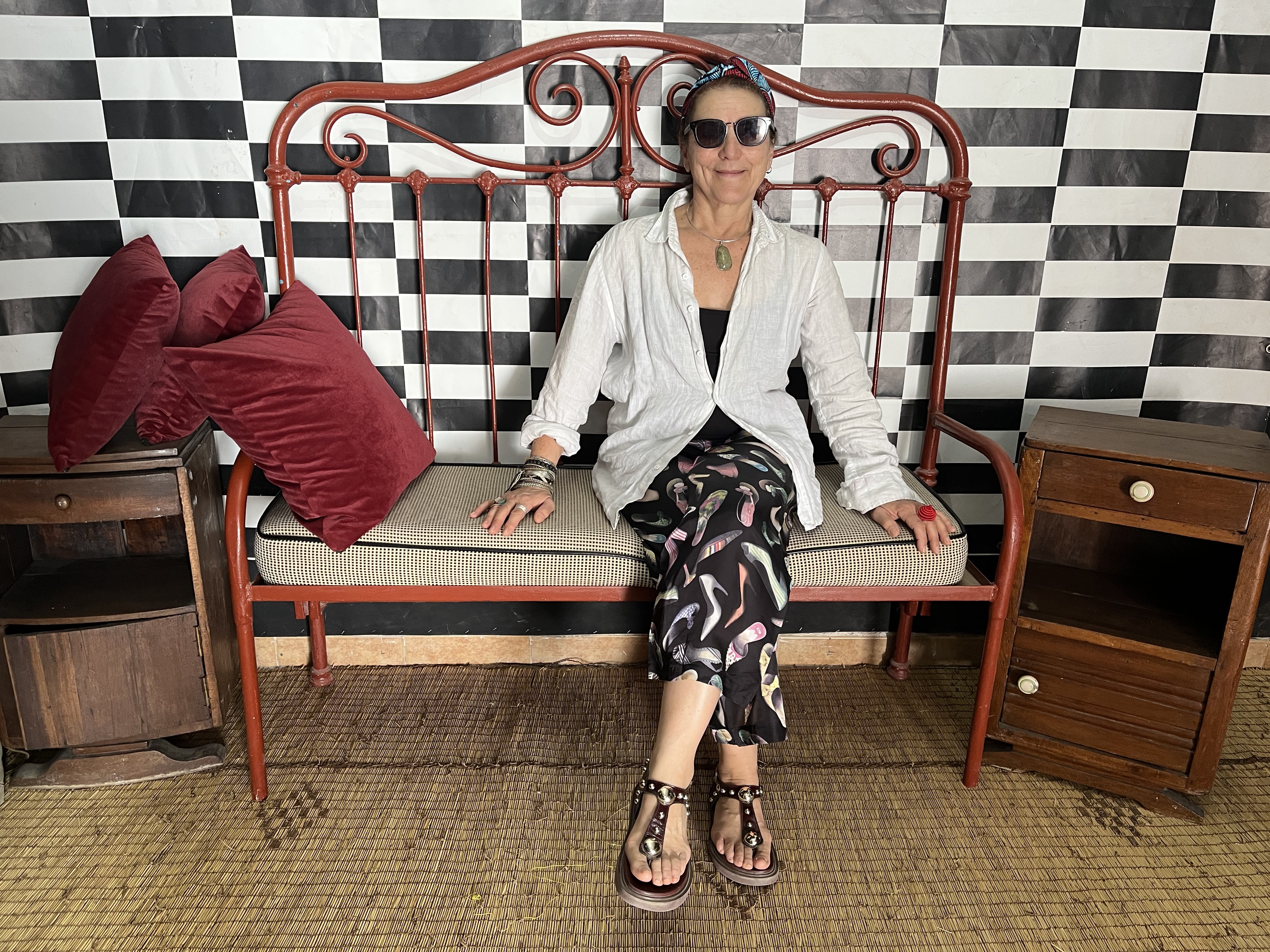
Dominique Magada started her writing career as a journalist for Bloomberg and Reuters news agencies in London where she was a staff correspondent for over a decade. Not quite cut-out for the corporate world and attracted by a life of travelling and opening to new cultures, she left London for Rome when her children were small and established herself as an independent writer. There, she worked as consulting journalist for UN agencies and wrote two books on art and architecture in Rome, combining her passion for the arts and her love of the eternal city. Life then took her to Addis Ababa where she lived for five years and witnessed the irreversible transformation of the city and the challenges it raised for its people, which she describes in her book on Ethiopia. Her time over, she returned to Rome with her family where she lived through the COVID years, before embarking on a new journey to Ankara. She has learnt to adapt to different cultures, absorb the language, connect with the people and question her own convictions. She feels at home in several places at once, but never in a singular one although Rome is the one city she always returns to. In her writing, she explores themes of displacement, loss of personal identity, third generation migration, transcultural adaptation, motherhood and career in the global age and the reinvention of oneself.
Being European is the closest identity she can use to define herself. She grew up in Alsace, a bilingual region historically disputed between France and Germany, where her mother’s family had lived for many generations and changed language and nationality several times. Her paternal grandparents were Italian migrants who came to France in the first half of the twentieth century and also changed language and citizenship in the course of their life. That polarity has remained and is guiding her writing.

